
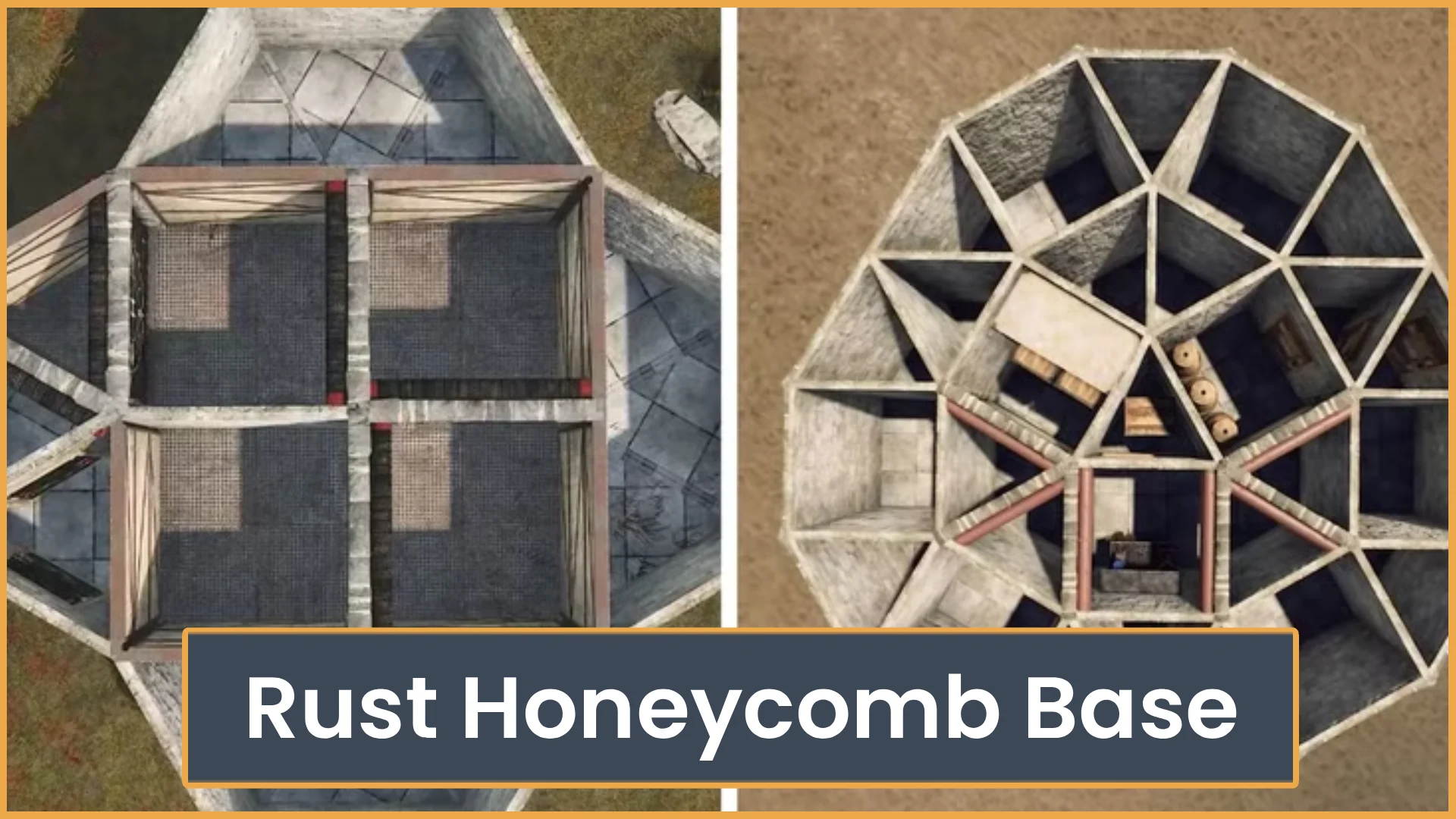
Rust Honeycomb Base Guide
Learn how honeycomb works in Rust and where to place it first. Protect your core, TC, loot, and roof without wasting upkeep.
Rust Honeycomb Base Guide will help you protect your loot, tool cupboard, and sleeping bags with smart extra walls. You will learn what honeycomb means, why it matters, and when to add it to your base.
Quick Answer:Honeycomb is extra building layers placed around your main base core. It makes raiders spend more boom to reach your loot or tool cupboard. Start with a strong core, then add honeycomb once your base is sealed and upgraded.
Rust Honeycomb Base Guide Quick Overview
In Rust, a plain 1x1 or 2x2 base is easy to read and raid. Honeycomb makes that base harder to break into. It adds walls, triangles, and extra rooms around the core. This can raise the raid cost and buy you more time to farm, fight, and rebuild.
Good honeycomb does not mean random walls everywhere. It should protect the parts that matter most. That usually means your tool cupboard, loot room, sleeping bags, and main path into the base.
Table of Contents
Main Guide
Honeycomb is one of the first real base skills you should learn in Rust. It is simple, but it changes how hard your base is to raid.
The goal is not to make your base huge. The goal is to make the shortest raid path cost more. A raider wants the fastest route to your loot or tool cupboard. Honeycomb makes that route less clear and more expensive.
How It Works
Most starter bases have a core. This is the main room that holds your tool cupboard, loot, bags, and workbench. If an outer wall leads right into that core, raiders have an easy target.
Honeycomb adds extra walls around that core. These walls are often triangle foundations and triangle floors. They wrap around the base like armor.
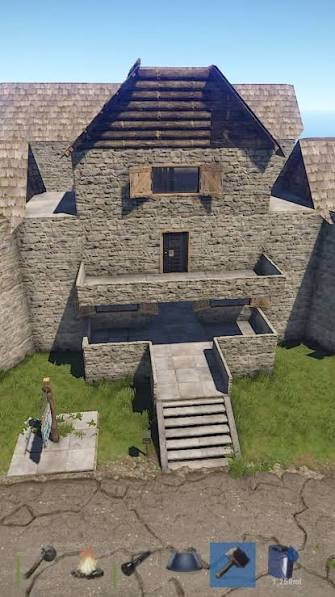
A basic example is a 2x2 base. If all four outside walls touch your loot room, raiders can pick a wall and blow straight in. If you add honeycomb around the 2x2, they must break through more layers before they reach the good stuff.
Honeycomb can be built on the sides, roof, and sometimes the foundation level. Each layer adds more building cost and more upkeep. So you need to balance safety with what you can afford.
Here is the simple build order most players should use:
- Build and seal your starter base first.
- Place your tool cupboard in a safe spot.
- Upgrade the core before adding too much size.
- Add honeycomb around the loot side and TC side.
- Add roof honeycomb if top-down raids are common.
- Upgrade key honeycomb pieces to stone or metal as you grow.
Do not leave honeycomb as twig. Twig can be broken very fast. Wood is also weak against fire and tools. Stone is the normal early goal. Sheet metal is better for important parts when you can pay the upkeep.
Best Options
The best honeycomb setup depends on your base size, group size, and wipe stage. A solo base does not need the same shell as a clan base. You want enough protection without wasting all your stone and metal.
Triangle Honeycomb
Triangle honeycomb is the most common choice. It fits well around square bases. It also keeps the footprint smaller than full square rooms.
Use triangle foundations along the outside walls of your core. Then add walls and ceilings to close them. This creates small dead spaces that raiders must break through.
Triangle honeycomb is great for:
- Solo and duo starter bases
- 2x1 and 2x2 bases
- Low upkeep designs
- Making a simple base harder to raid
Square Honeycomb
Square honeycomb uses full square foundations or rooms around the base. This costs more, but it can give you extra space.
You can use square honeycomb as fake rooms, drop boxes, flank rooms, or extra storage. This can confuse raiders. But it also makes the base larger and easier to spot.
Square honeycomb is better when:
- You have a small group
- You need more storage
- You want extra doors and paths
- You can handle higher upkeep
Roof Honeycomb
Many players only protect the sides. Then raiders blow in from the roof. This is common when the base has a weak top or clear loot room layout.
Roof honeycomb adds extra floors, half walls, or a second layer above your core. It helps stop top-down raids from going straight into loot.
For a small base, even one extra roof layer can help. If you have a 2x2, do not leave the loot room roof as the easiest path. Upgrade it and cover it when you can.
Airlock and Door Path
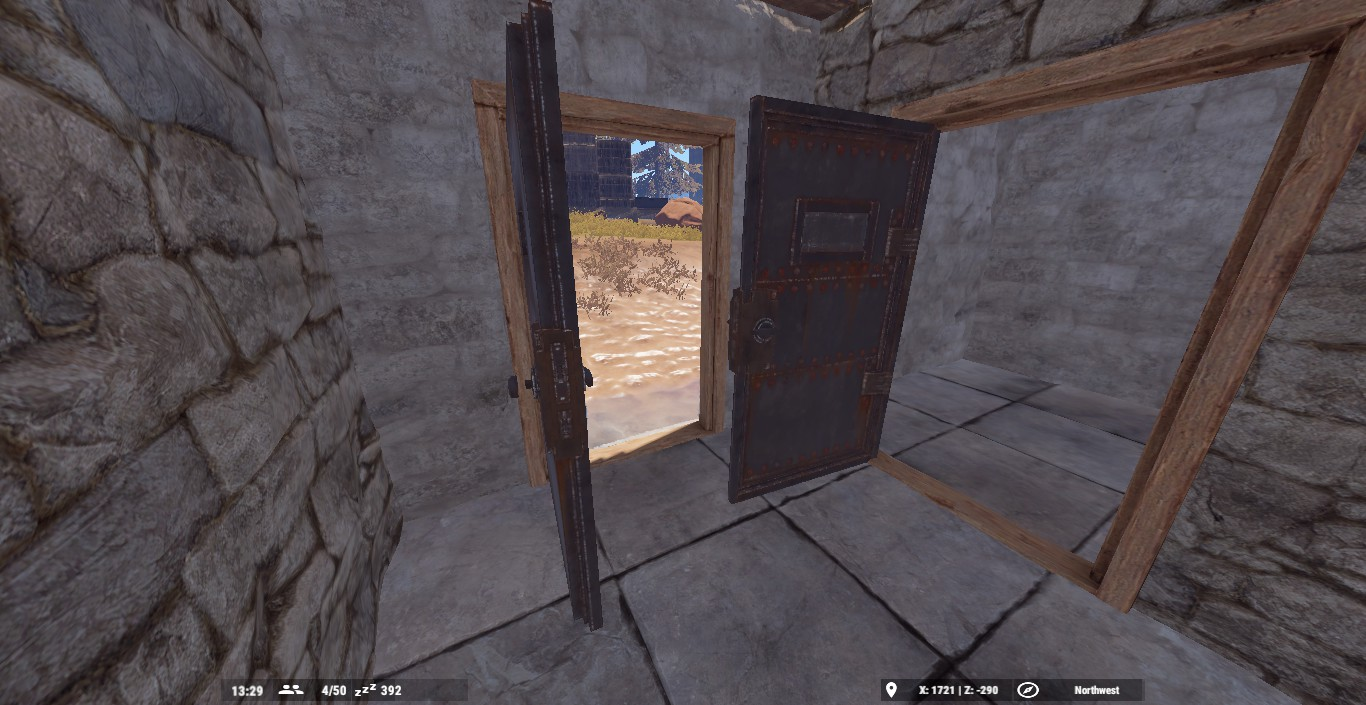
Honeycomb is not only about walls. Your door path matters too. If your base has one door leading right to loot, raiders may skip walls and raid doors.
Use an airlock early. Add more doors as the base grows. Garage doors are strong mid-game options for inside paths once you have them. They also slow down deep players if you get door camped.
A good base should make raiders ask a hard question: should they raid doors, walls, roof, or honeycomb? If every path costs something, your base is doing its job.
What to Look For
Before you add honeycomb, check what your base is really protecting. Many players honeycomb the wrong side. Then they leave the TC wall or roof weak.
Look at your base like a raider would. Stand outside and ask: “Where would I raid?” If one wall clearly leads to loot, protect that wall first.
Check these things before you build:
- Tool cupboard spot: Keep it away from the easiest outside wall.
- Loot room location: Do not put all loot against one outer wall.
- Roof strength: Top-down raids are common on simple bases.
- Door path: Add enough doors so doors are not the cheapest route.
- Upkeep cost: More honeycomb means more resources in the TC.
- Soft sides: Make sure walls face the right way when placing them.
- Build privilege: Keep your TC safe so enemies cannot seal or grief your base.
Soft side placement is a big one. In Rust, walls have a hard side and a soft side. The soft side is weaker to tools. When building honeycomb, make sure the soft side is not facing out where enemies can reach it.
You should also think about noise and online raids. Honeycomb does not make you unraidable. It gives you time. If you are online, that time can let you seal, move loot, or fight back.
If you are offline, honeycomb can make your base less worth raiding. Raiders often choose the cheapest target. A small base with smart honeycomb may be skipped for an easier one nearby.
Tips for Players
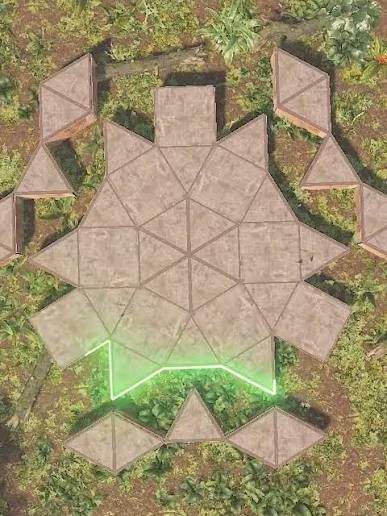
- Honeycomb the core first: Protect the loot room and tool cupboard before adding random side rooms. Your core is what raiders want most.
- Upgrade in the right order: A stone honeycomb around a wood core is not smart. Upgrade your core first, then the outer shell.
- Use your base shape to confuse raiders: Do not make the loot room obvious. Move loot around, use fake rooms, and avoid putting all value in one easy spot.
- Watch your upkeep: Honeycomb adds cost to your tool cupboard. If upkeep is too high, your base can decay while you are offline.
- Build for your server type: High-pop PvP servers need stronger bases faster. Low-pop or PvE servers may not need heavy honeycomb early.
If you like testing builds, try them on a build server before using them on wipe day. You can also use ServerTilt to find Rust servers that fit your play style, from solo-friendly servers to high-pop PvP wipes.
Common Mistakes
- Adding honeycomb before sealing the base: Always get doors, TC, and a basic airlock first. A half-built honeycomb shell will not save an open base.
- Leaving the roof weak: Raiders often go top-down when the sides look strong. Upgrade the roof and add extra layers above the core when you can.
- Facing soft sides outward: Check wall direction as you build. If the soft side faces out, enemies can break it much easier with tools.
- Making the base too big too soon: A huge stone shell can drain your upkeep and draw attention. Grow in stages.
- Forgetting the door raid path: If doors are cheaper than walls, raiders may ignore your honeycomb. Add smart door layers and avoid a straight path to loot.
The best base is not always the biggest one. It is the one that makes raiders spend more than they want to spend.
FAQ
What is honeycomb in Rust?
Honeycomb is extra building around your base core. It is usually made with triangle or square foundations, walls, and floors. Its job is to add more raid layers between raiders and your loot.
When should I add honeycomb to my base?
Add honeycomb after your starter base is sealed and your core is upgraded. For most players, that means after you have a TC, airlock, sleeping bag, storage, and stone walls. Do not spend all your resources on honeycomb before the base is safe.
Is triangle honeycomb better than square honeycomb?
Triangle honeycomb is better for most small bases because it is cheap and compact. Square honeycomb costs more, but it can give you extra rooms and paths. Use triangles for simple protection. Use squares when you need space too.
Does honeycomb stop raids?
No base design fully stops raids in Rust. Honeycomb raises the cost and slows raiders down. It can make your base less tempting, but a rich or determined group can still raid it.
Should solo players use honeycomb?
Yes. Solo players should use simple honeycomb because they have less time and fewer resources to rebuild. A small 2x1 or 2x2 with smart honeycomb is much safer than a plain box.
Final Thoughts
Honeycomb is one of the easiest ways to make a Rust base harder to raid. Start small. Protect the core. Check the roof. Keep upkeep under control. Before your next wipe, practice a simple 2x1 or 2x2 honeycomb build so you can place it fast when the server is busy.
Best Rust Base Designs Series
Explore the main guide and supporting tutorials.
Best Rust Base Designs
Learn the best Rust base designs for solos, duos, trios, and groups. See what to build first, how to upgrade, and how to avoid easy raid paths.
Rust Honeycomb Base Guide
Learn how honeycomb works in Rust and where to place it first. Protect your core, TC, loot, and roof without wasting upkeep.
How to Build an Airlock in Rust
Learn how to build a simple Rust airlock that protects your starter base from door campers. See the best layout, door choices, and common mistakes to avoid.
Related Articles
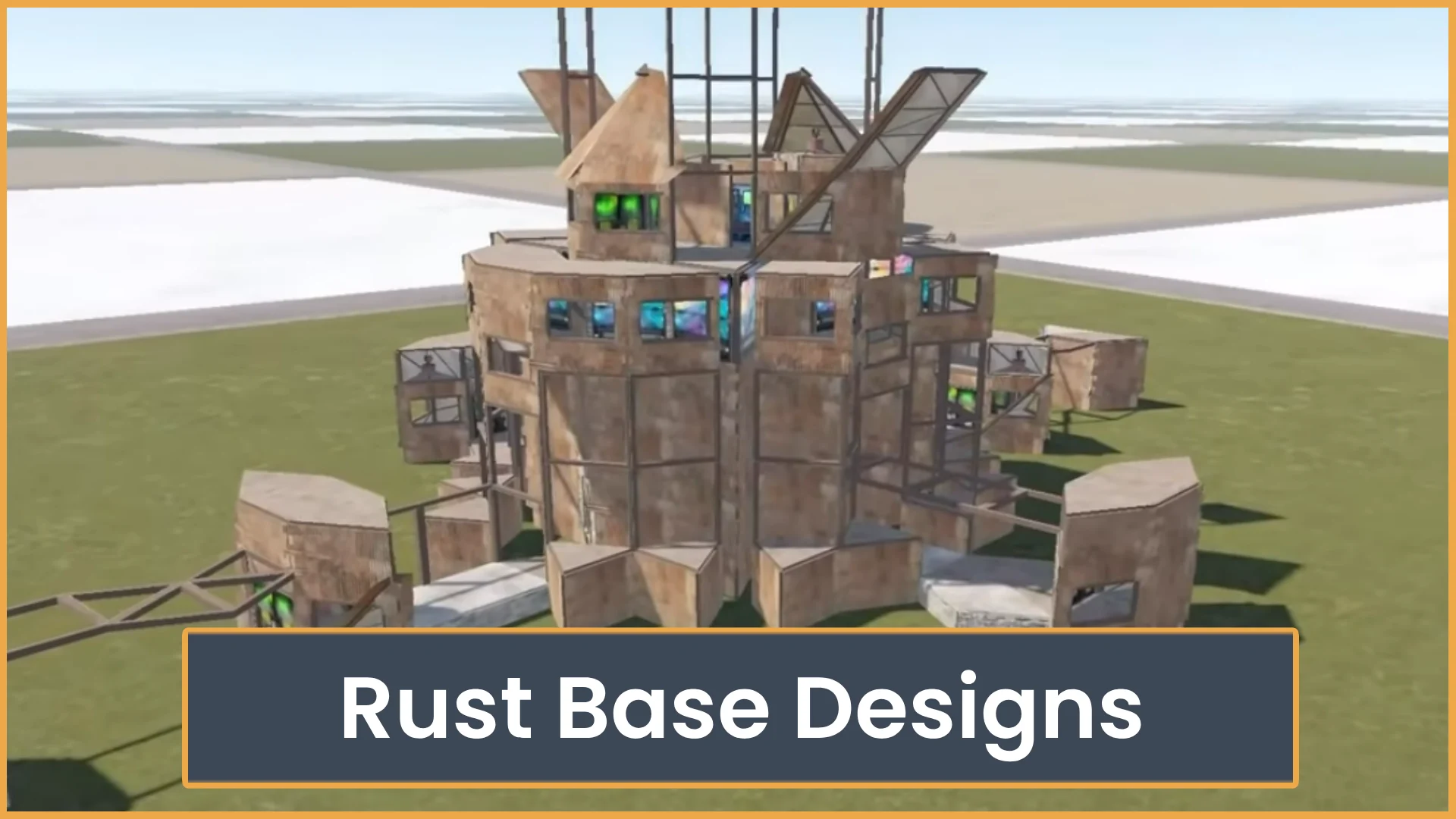
Best Rust Base Designs
Learn the best Rust base designs for solos, duos, trios, and groups. See what to build first, how to upgrade, and how to avoid easy raid paths.
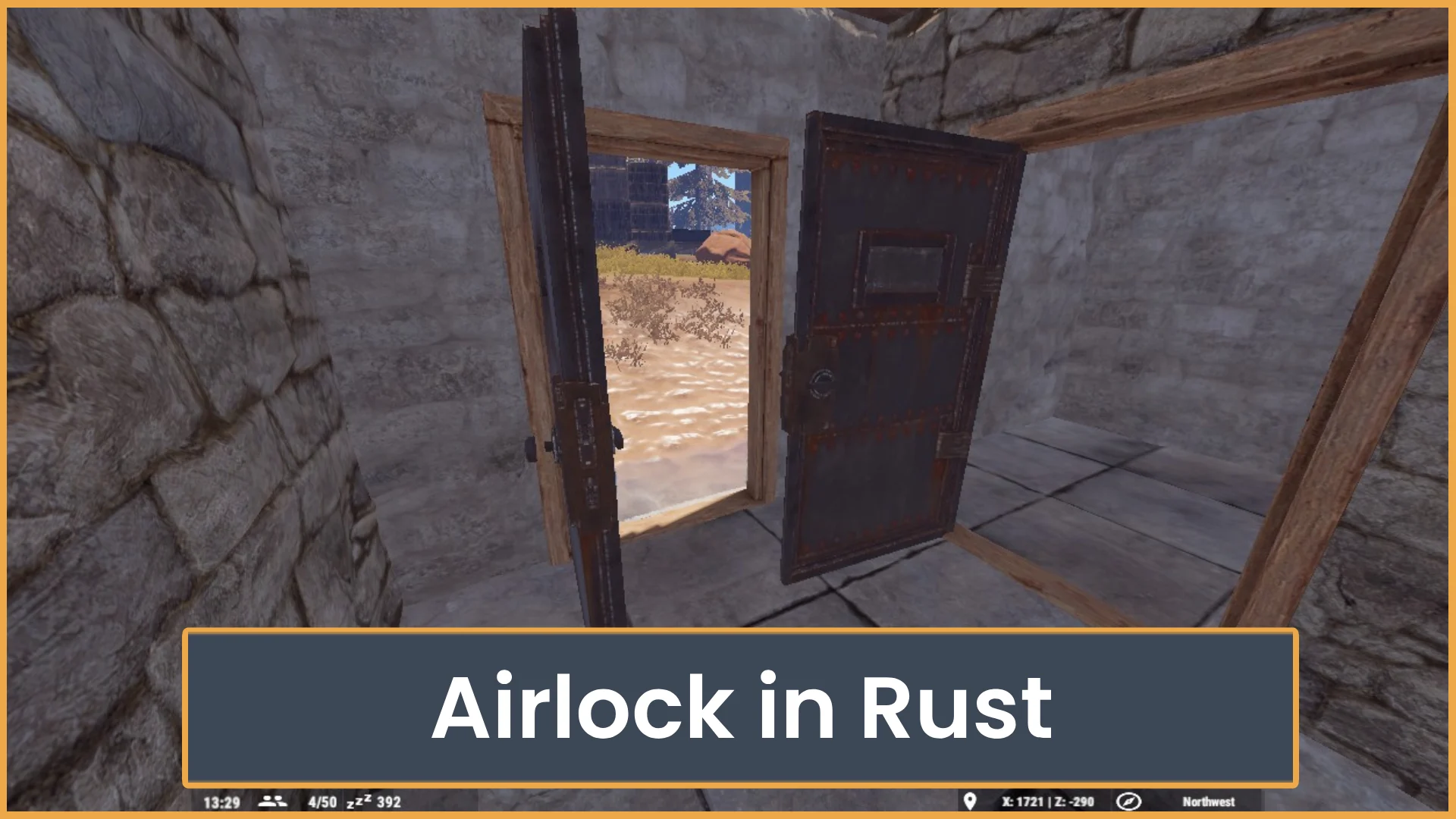
How to Build an Airlock in Rust
Learn how to build a simple Rust airlock that protects your starter base from door campers. See the best layout, door choices, and common mistakes to avoid.
Recommended Rust Servers
Browse Rust Servers



GB Rust | Solo / Duo / Trio | 2x | Mon / Fri GB Rust | Solo / Duo / Trio | 2x | Mon / Fri

0/150
Online
Tibbo | 2x | Solo/Duo/Trio | Weekly | No P2W | Active Admins | Beginner Friendly Tibbo | 2x | Solo/Duo/Trio | Weekly | No P2W | Active Admins | Beginner Friendly

0/75
Online