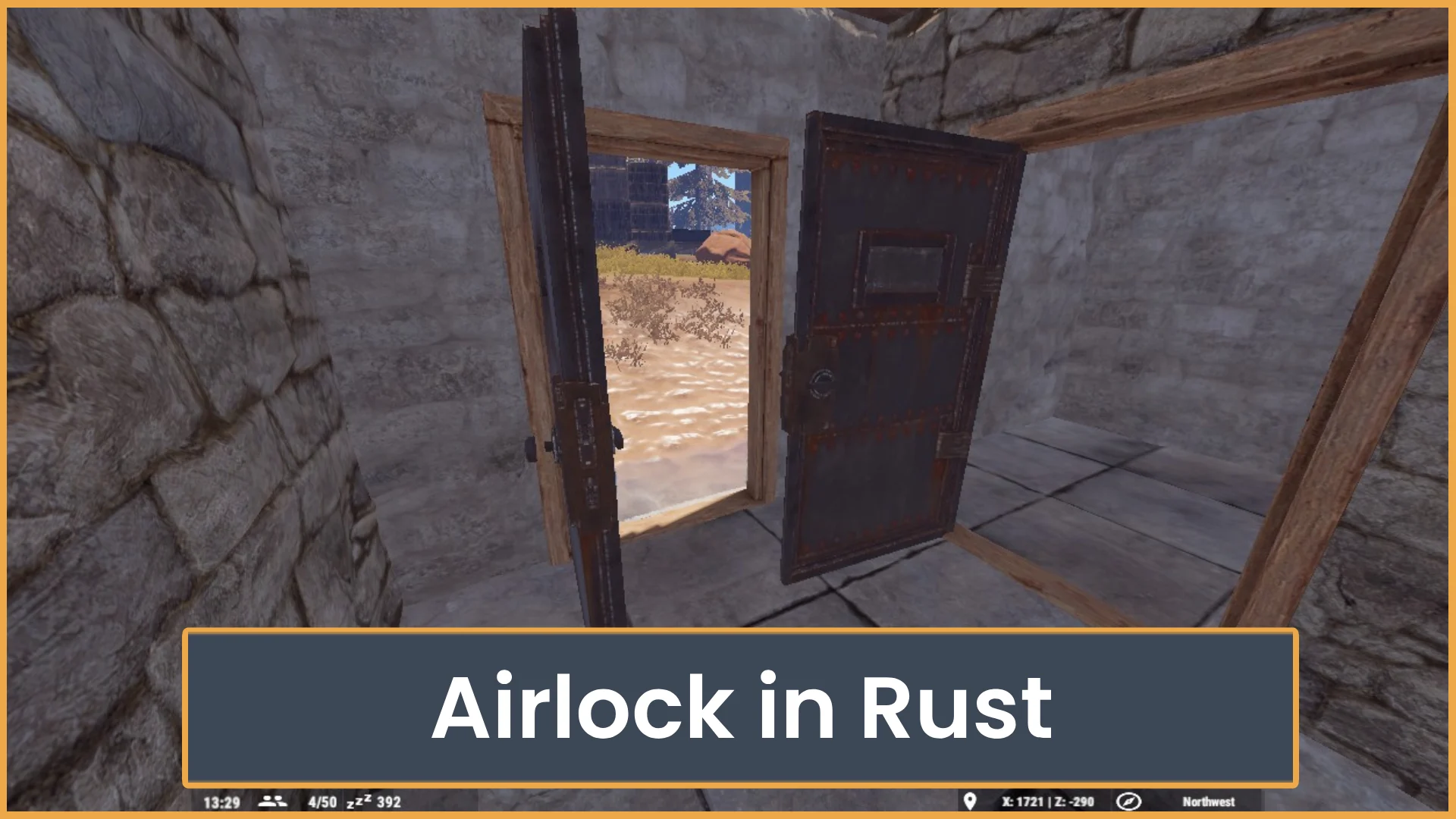
How to Build an Airlock in Rust
Learn how to build a simple Rust airlock that protects your starter base from door campers. See the best layout, door choices, and common mistakes to avoid.
How to build an airlock in Rust is one of the first base skills every new player should learn. In this guide, you will learn what an airlock does, why it protects your loot, and how to build a simple one for a starter base.
Quick Answer:Build a small room between your outside door and your main base door. Use two doors so raiders or door campers cannot walk straight into your base if one door is open. A triangle airlock is cheap, fast, and great for starter bases.
How to Build an Airlock in Rust
An airlock helps stop one of the most common Rust mistakes: opening your front door and letting someone rush inside. Even a tiny airlock can save your loot, tools, and sleeping bag. It is cheap to build, easy to upgrade, and useful on almost every base design.
Table of Contents
Quick Overview
An airlock is a small buffer room at your base entrance. It uses two doors instead of one. If an enemy kills you while the outside door is open, they still have to get through the second door.
The best early airlock is a triangle foundation with two door frames. It costs very little and fits well on a 1x1 or 2x1 starter base. You can build it in wood at first, then upgrade it to stone as soon as you can.
- Best starter shape: Triangle airlock
- Main goal: Stop door campers from walking in
- Best early doors: Sheet metal doors when you can craft them
- Best early locks: Key locks for solo players, code locks for groups
- Upgrade priority: Stone walls, then metal doors
Main Guide
To build an airlock, you need a building plan, a hammer, enough resources, and at least two doors. You should also have a tool cupboard placed and protected inside your base. Without upkeep in the tool cupboard, your base will decay over time.
Start with a simple base. A 1x1 or 2x1 is fine. Then add the airlock to the front. The airlock should connect to your main room with one door, and connect to the outside with another door.
How It Works
A normal base with one front door is risky. If someone is waiting outside, they can rush in when you open it. This is called deeping. Once they are inside, they can kill you, loot boxes, destroy bags, or hold your base.
An airlock makes that much harder. You open one door, step into the small room, close that door, then open the next one. There should never be a straight open path from outside to your loot room.
Think of it like a safety gap. One door can fail. Two doors give you time to react.
Best Options
There are a few good airlock designs in Rust. The right one depends on your base size and how many resources you have.
Triangle Airlock
The triangle airlock is the best choice for most starter bases. Place one triangle foundation in front of your main door. Add walls, a roof, and two door frames. One door leads outside. One door leads inside.
This design is cheap and compact. It also makes door movement tighter, which can help block players from rushing through.
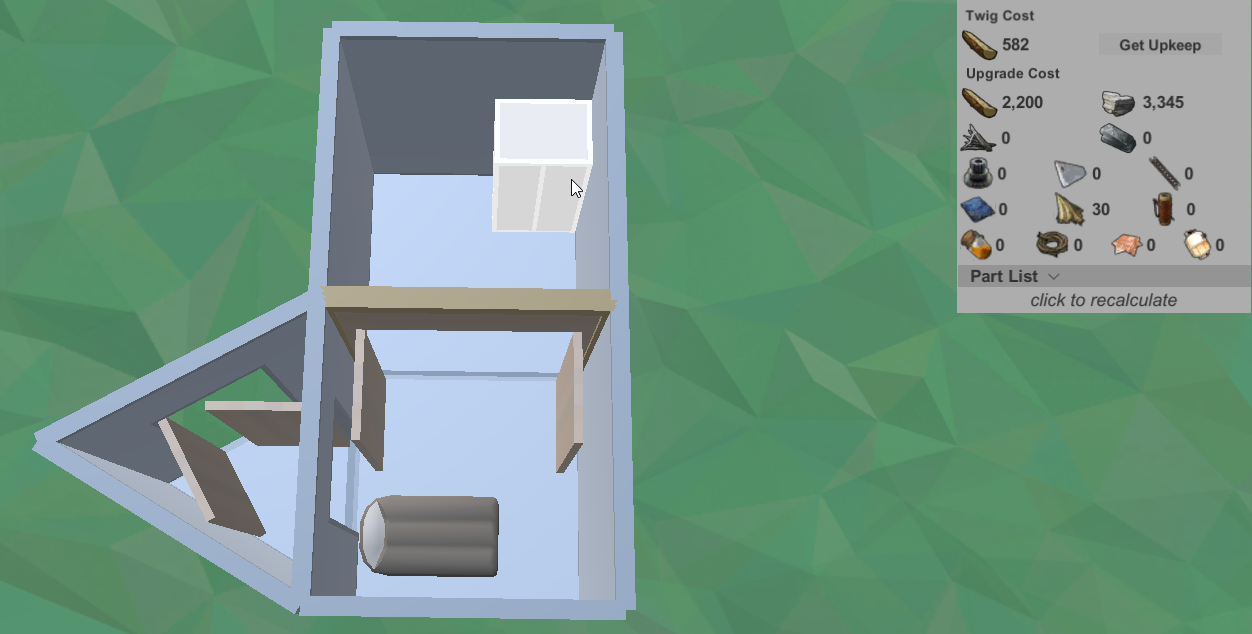
- Place a triangle foundation on the front of your base.
- Place two door frames on the triangle.
- Place walls on the open sides.
- Add a triangle floor or roof piece above it.
- Place one door to the outside.
- Place one door to the main base.
- Add locks to both doors.
- Test the doors before you upgrade everything.
Square Airlock
A square airlock uses a square foundation instead of a triangle. It gives you more room to move. It can also fit extras like a small box, furnace, or locker later.
The downside is cost. It takes more space and more resources. It can also be easier for enemies to stand inside if they kill you at the door.
- Use it if: You want more room near your entrance.
- Avoid it if: You are building a tiny hidden starter.
- Good for: 2x1 bases, duo bases, and early wipe homes.
Double Triangle Airlock
A double triangle airlock is stronger than a basic one. It adds more doors and more turns. This makes it harder for raiders and door campers to move fast through your entrance.
This is a good upgrade after you have stone, metal doors, and enough upkeep. It is also useful if your base is in a busy area near roads, monuments, or the coast.
Door Choice
Door choice matters a lot. Wooden doors are weak and can be destroyed fast with basic tools or fire. Use them only at the very start if you have no other choice.
Sheet metal doors are the normal early goal. They are much safer for starter bases. Garage doors are useful later, but you need to learn and craft them first.
Door Type Use Notes Wooden Door Very early start Replace fast. It is not safe for long. Sheet Metal Door Starter and mid-game bases Strong early choice for airlocks. Garage Door Interior doors later Great for loot rooms and movement, but needs more setup.Lock Choice
If you play solo, a key lock is simple and cheap. You do not need to craft a key unless you want one. If you craft a key and lose it, another player can use it.
If you play with a group, use code locks. Share the code only with people you trust. Change the code if a teammate leaves or if you think someone learned it.
- Solo: Key lock is fine.
- Duo or group: Code lock is better.
- Do not do this: Carry keys outside unless you must.
What to Look For
Before you call your airlock done, check how it works in real play. Open and close the doors. Make sure you cannot see straight into your loot room from outside. Also make sure one open door does not trap you in a bad spot.
Door swing is important. A good airlock should make it hard for enemies to run straight through. If a door opens in a bad way, pick it up quickly if the game allows it, or fix the design before you upgrade too far.
You should also check your building grade. Twig and wood are only temporary. Upgrade the airlock to stone early. The entrance is one of the first places raiders will test.
- No straight path: Outside players should not have a clear run into your core.
- No loot visible: Keep boxes away from the entrance view.
- Doors locked: Every door needs a lock.
- Stone upgraded: Upgrade foundations, walls, frames, and roof.
- Tool cupboard covered: Your TC should not be easy to reach from the airlock.
Simple Starter Airlock Build
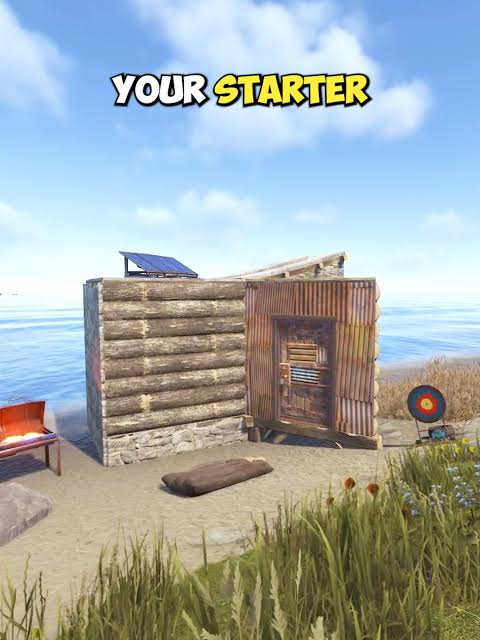
Here is a safe way to add an airlock to a basic 1x1 starter base.
- Build your 1x1 with a foundation, walls, door frame, and ceiling.
- Place your tool cupboard inside.
- Place a sleeping bag and small box if you have them.
- Add a triangle foundation outside the front door.
- Place two door frames on the triangle foundation.
- Wall off the remaining side.
- Add a triangle ceiling piece.
- Place doors on both frames.
- Add locks right away.
- Upgrade the airlock to stone.
This setup is not raid-proof, but it is much safer than one door. It buys time. In Rust, that often means you keep your base.
Tips for Players
- Close doors before looting: Do not open a box while your airlock door is open. Step inside, close the door, then sort your loot.
- Upgrade the entrance first: Your airlock takes a lot of pressure. Upgrade it to stone before you spend resources on extra rooms.
- Hide your best loot deeper: Do not keep your main loot right behind the airlock. If someone gets in, make them work for it.
- Use door swing to block movement: Place doors so they make it harder for players to run straight inside. Test this before you finish building.
- Add more doors as you grow: A starter airlock is good. A base with several doors to core is much safer.
Common Mistakes
- Using only one door: One door is not enough in Rust. Always add a second door so enemies cannot rush straight into your base.
- Leaving the airlock in twig or wood: Twig is only for planning. Wood is weak. Upgrade to stone as soon as you can.
- Putting boxes in the airlock: This gives enemies free loot if they kill you at the door. Keep the airlock clear when possible.
- Forgetting locks: A door with no lock is almost the same as no door. Lock every door right after you place it.
- Opening both doors at once: This breaks the whole point of an airlock. Open one door at a time and close it behind you.
FAQ
What is the best airlock for a starter base in Rust?
A triangle airlock is the best starter choice for most players. It is cheap, small, and easy to add to a 1x1 or 2x1 base. Upgrade it to stone and add sheet metal doors when you can.
Do I need an airlock if I play solo?
Yes. Solo players need airlocks even more because no teammate can cover the door for them. A simple airlock can stop door campers from getting a free base takeover.
Should my airlock doors open inward or outward?
Test the door swing before you upgrade. The goal is to block a straight path into your base. Many players place doors so they create a tight turn or block enemy movement when opened.
Are wooden doors okay for an airlock?
Wooden doors are okay for the first few minutes of a wipe, but replace them fast. Sheet metal doors are much safer and should be an early goal.
Can an airlock stop raiders?
An airlock will not stop a full raid by itself. It adds more doors and slows people down. Its main job is to stop door campers and prevent players from walking into your base for free.
Final Thoughts
Build your airlock before you get comfortable. A base with one door is easy to punish, even if you only have a few boxes of loot. Start with a triangle airlock, upgrade it to stone, add metal doors, and practice using one door at a time. If you want to test builds in different wipe styles, you can use ServerTilt to find active Rust servers and try what works best for you.
Best Rust Base Designs Series
Explore the main guide and supporting tutorials.
Best Rust Base Designs
Learn the best Rust base designs for solos, duos, trios, and groups. See what to build first, how to upgrade, and how to avoid easy raid paths.
How to Build an Airlock in Rust
Learn how to build a simple Rust airlock that protects your starter base from door campers. See the best layout, door choices, and common mistakes to avoid.
Rust Honeycomb Base Guide
Learn how honeycomb works in Rust and where to place it first. Protect your core, TC, loot, and roof without wasting upkeep.
Related Articles
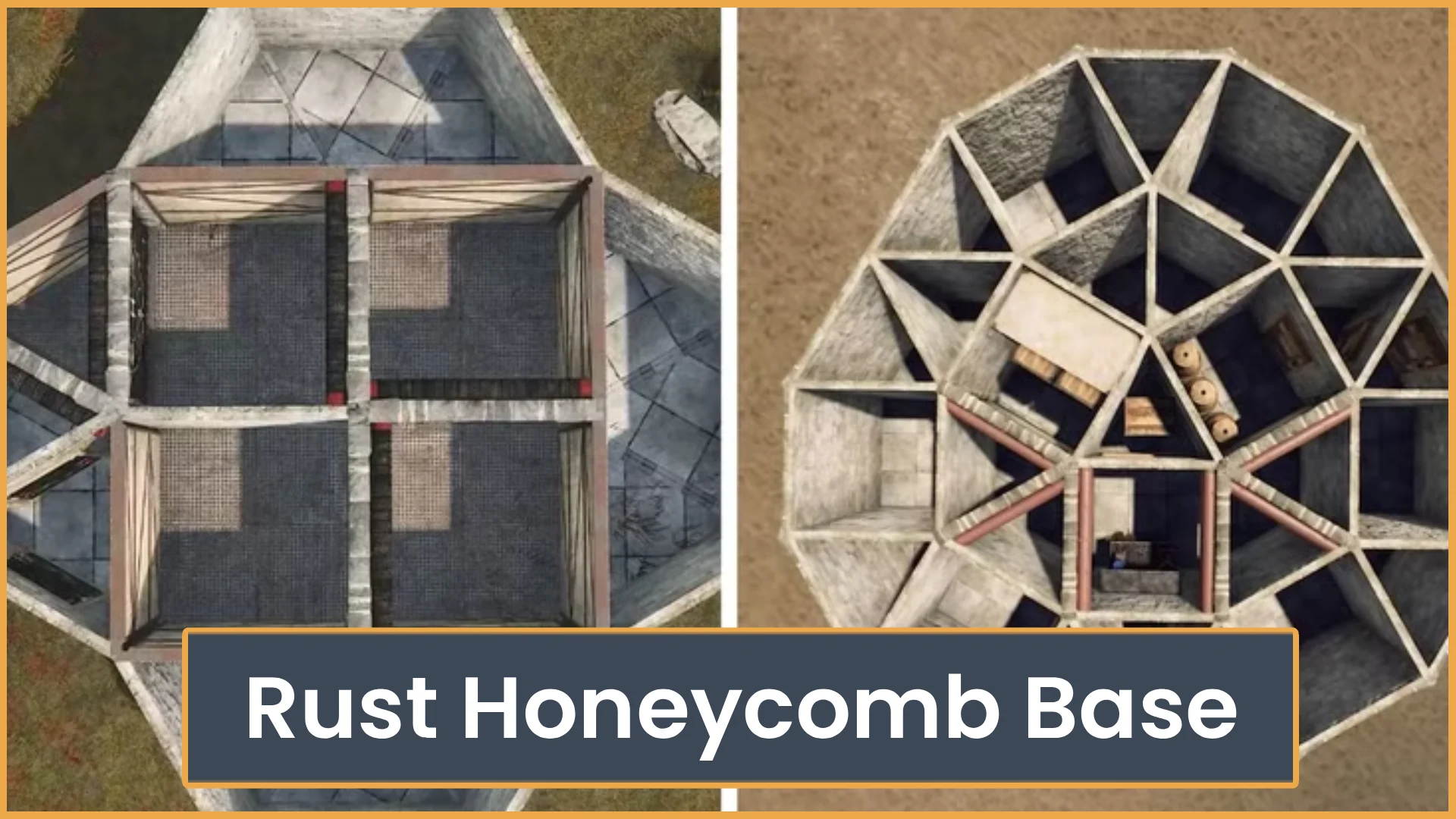
Rust Honeycomb Base Guide
Learn how honeycomb works in Rust and where to place it first. Protect your core, TC, loot, and roof without wasting upkeep.
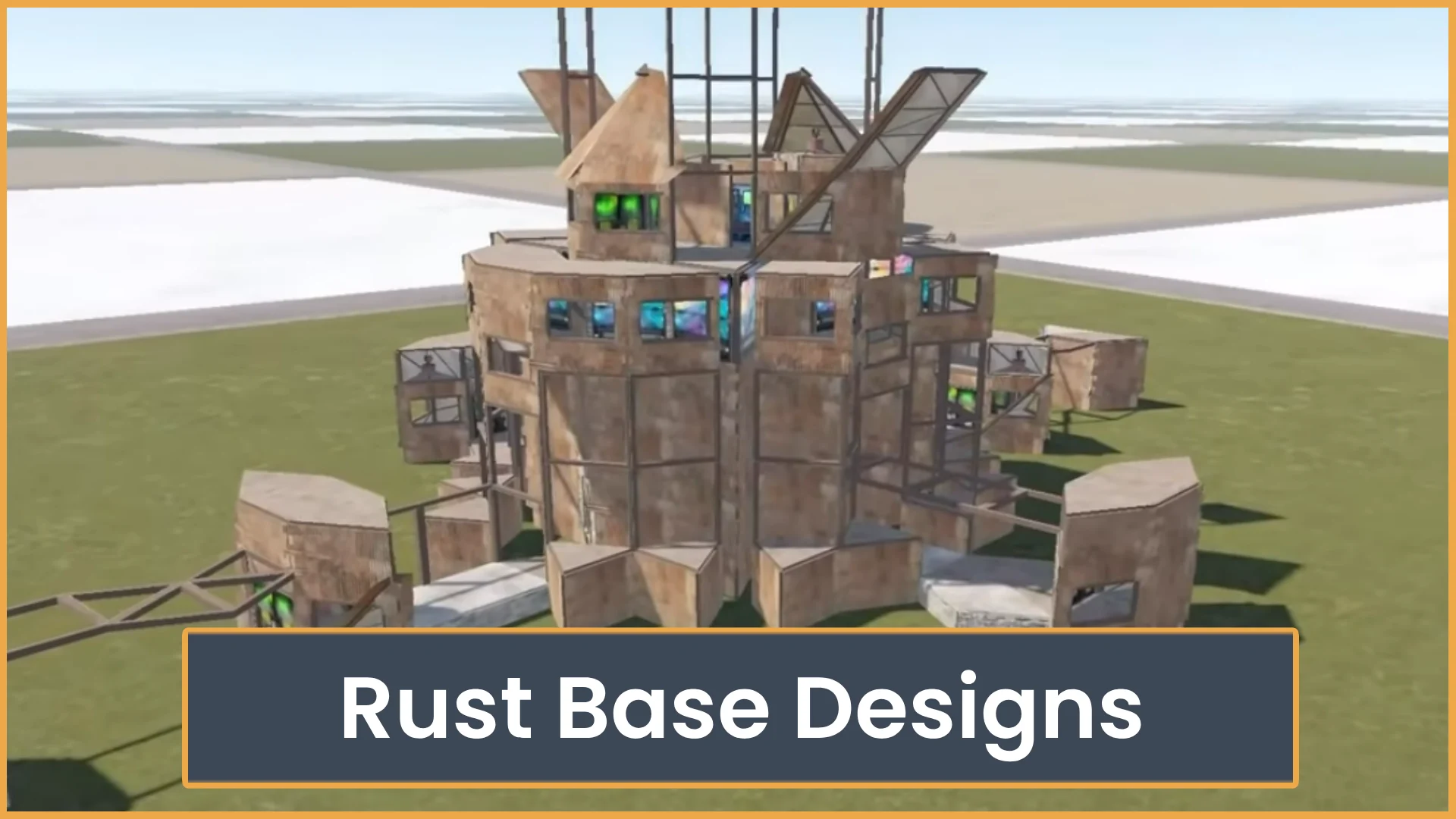
Best Rust Base Designs
Learn the best Rust base designs for solos, duos, trios, and groups. See what to build first, how to upgrade, and how to avoid easy raid paths.