
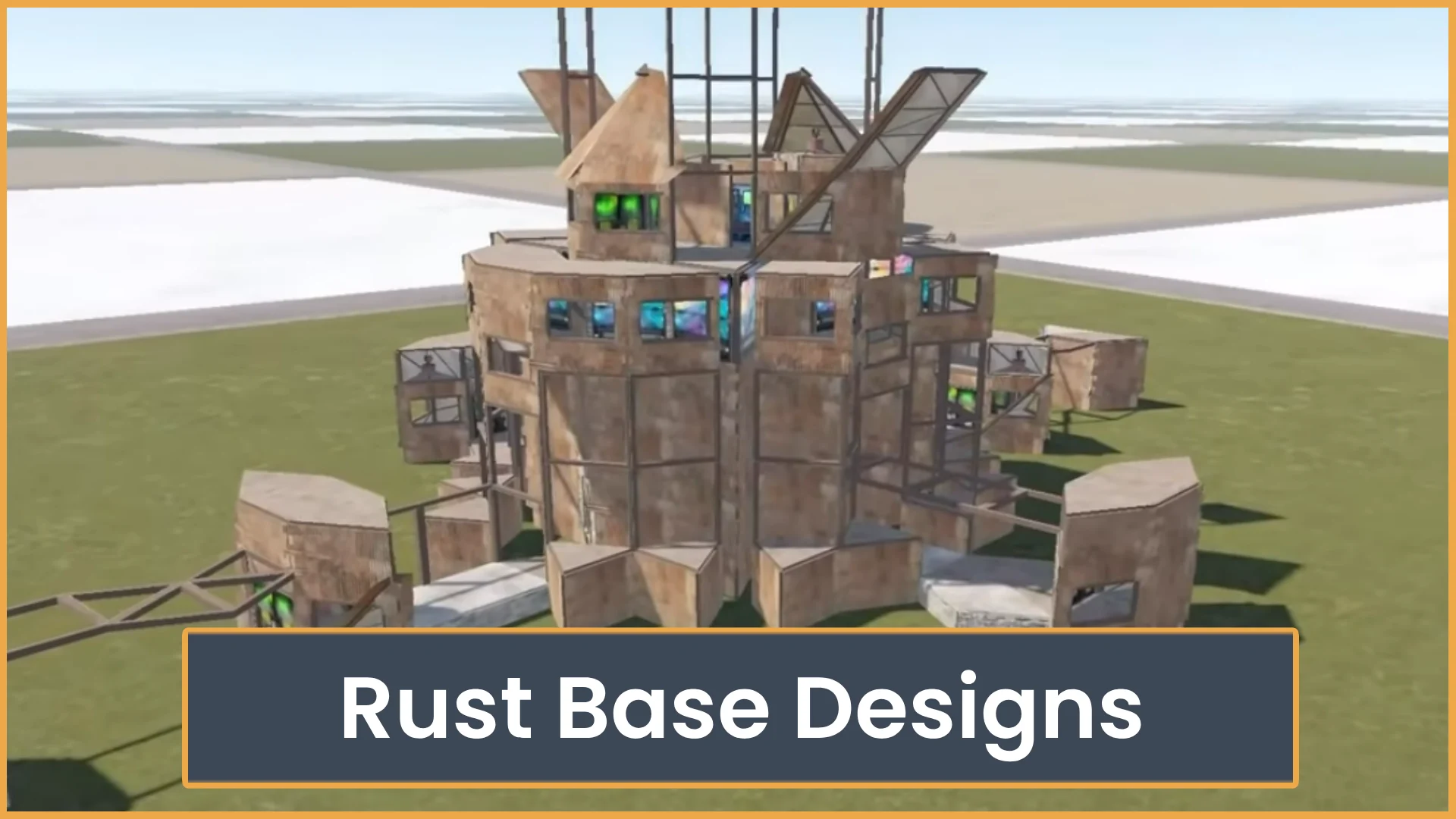
Best Rust Base Designs
Learn the best Rust base designs for solos, duos, trios, and groups. See what to build first, how to upgrade, and how to avoid easy raid paths.
Best Rust Base Designs help you survive raids, protect your loot, and build smarter from day one of wipe. In this guide, you will learn which base types work best for solos, duos, trios, and larger groups.
Quick Answer:The best Rust base design depends on your group size, server pop, and how much upkeep you can handle. Most players should start with a compact 2x1, then add airlocks, honeycomb, a roof, and better loot rooms as they farm. Strong bases are hard to raid, cheap to maintain, and easy to move through during fights.
Best Rust Base Designs: Quick Overview
A good Rust base is not just a box with doors. It needs smart door paths, safe loot spots, shotgun traps, tool cupboard protection, and enough space to craft. The right design can make raiders waste rockets, sulfur, and time. It can also help you defend online raids without getting trapped in your own base.
Table of Contents
Main Guide
The best Rust base designs all do the same thing well. They protect your tool cupboard, slow down raiders, and give you room to fight back.
Your first base does not need to be huge. A small, smart base is often better than a giant weak one. Big bases cost more upkeep. They also draw more attention.
How It Works
Rust raiding is about cost. Raiders want the cheapest path to your loot and tool cupboard. Your job is to make every path painful.
Good base design uses layers. These layers can be walls, doors, traps, honeycomb, garage doors, and external tool cupboards. Each layer adds more raid cost.
Most strong bases use these parts:
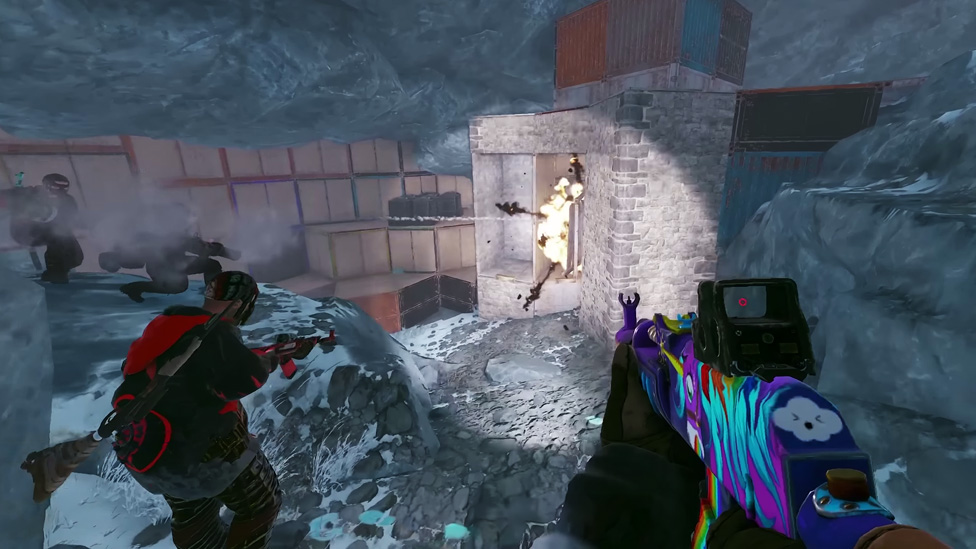
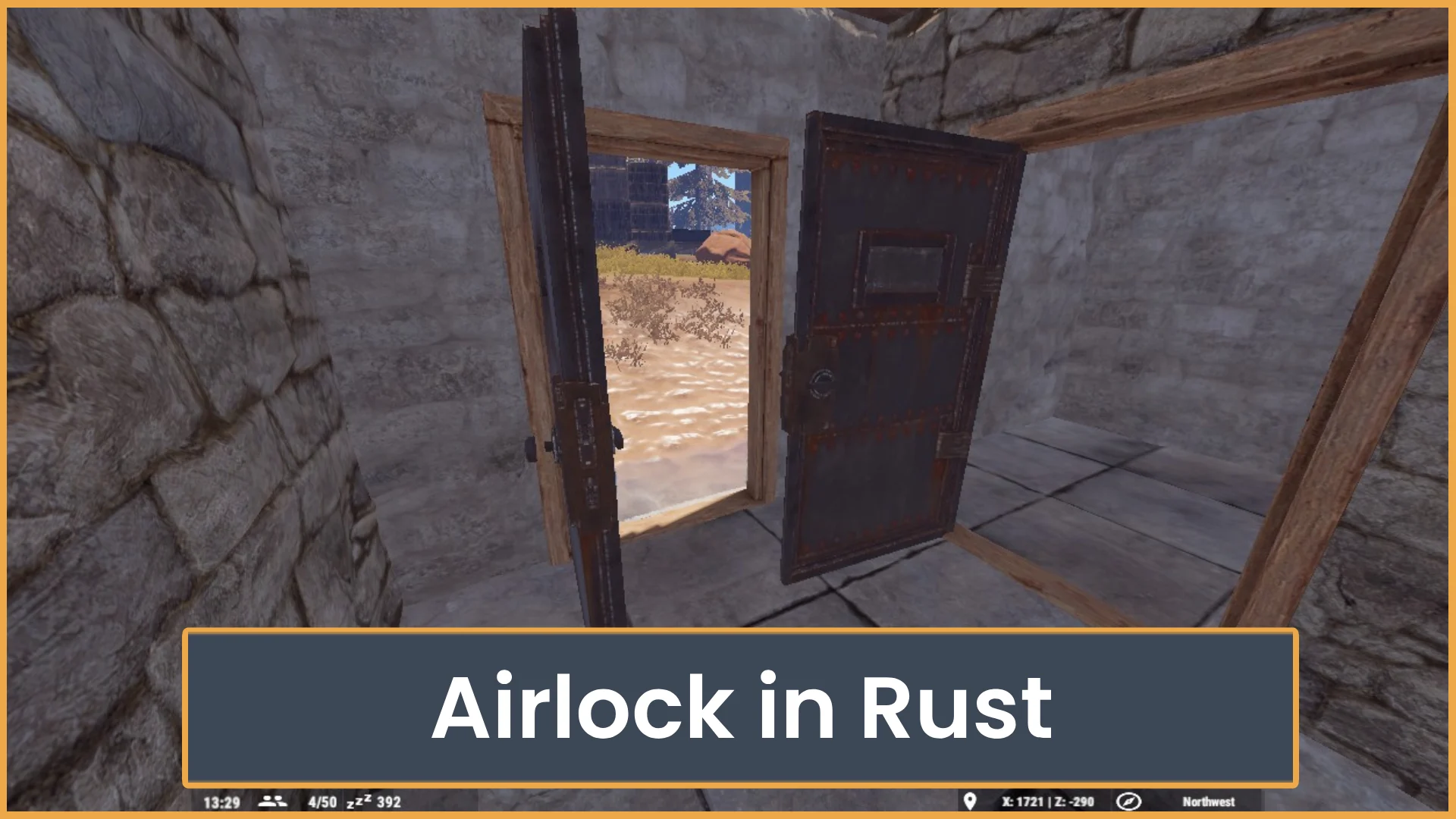
- Airlock: Stops enemies from going deep if they kill you at the door.
- Tool cupboard room: Keeps building privilege safe.
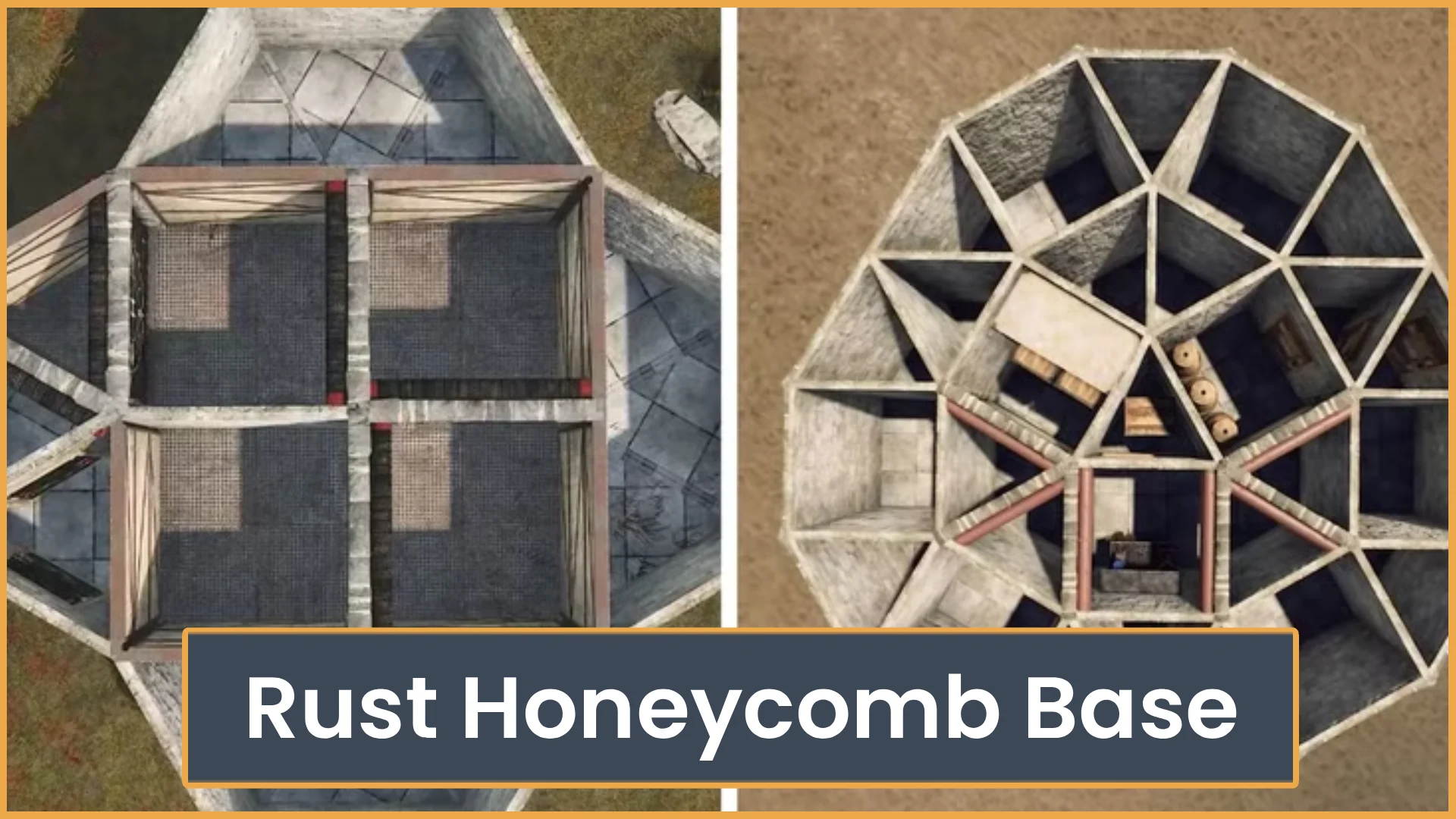
- Honeycomb: Extra walls around your core.
- Door path: A long route with many doors to slow raiders.
- Loot rooms: Spread-out storage so one raid path does not win everything.
- Shooting floor: Lets you defend your base from above.
- External TCs: Help protect your compound and stop griefing after a raid.
Do not build only for offline raids. Build so you can move, seal, and defend during an online raid too.
Best Options
Here are the best Rust base designs by group size and playstyle.
Solo 2x1 Starter Base
The 2x1 is the classic solo starter. It is cheap, fast, and easy to build after wipe. You can place a tool cupboard, sleeping bag, workbench, furnace, and boxes inside.
Start with stone as soon as you can. Add an airlock first. Then upgrade doors from wood to sheet metal. After that, add honeycomb around the core.
- Best for: Solo players and fresh wipes.
- Strength: Cheap and fast to build.
- Weakness: Small space and easy to raid if not upgraded.
A good solo 2x1 should not stay basic for long. Use it as a seed base. Grow it into a stronger bunker, roof base, or compact honeycombed base.
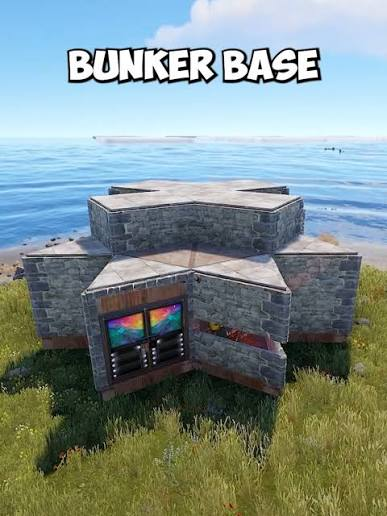
Solo Bunker Base
A bunker base uses building tricks to hide or block the main loot room. Raiders may need more explosives if they take the wrong path.
Bunkers are strong, but they can be risky. If you do not know how the bunker opens and seals, you can lock yourself out or leave it weak.
- Best for: Experienced solo players.
- Strength: High raid cost for a small base.
- Weakness: Easy to mess up if built wrong.
Practice bunker builds on a build server before using one on wipe day. Small mistakes can ruin the design.
Duo or Trio Base
A duo or trio needs more space than a solo. You need room for extra bags, kits, furnaces, boxes, and a workbench. You also need more exits so one door camper does not stop your whole group.
A strong duo or trio base often starts as a 2x2. Then it adds honeycomb, a second floor, a roof, and garage doors. This gives you space without becoming too expensive.
- Best for: Small teams who play often.
- Strength: Good balance of space and defense.
- Weakness: Needs more upkeep than a solo base.
Try to split loot between rooms. Do not put every gun, resource, and component box in one spot.
Group or Clan Base
Large groups need a different type of base. You need wide halls, many beds, lockers, shooting floors, peaks, and a compound. You also need enough space to store farm and gear.
Group bases are often raid targets. If your base is huge, players will notice it. Build strong early, and do not leave soft sides exposed.
- Best for: Four or more active players.
- Strength: Strong online defense and lots of storage.
- Weakness: Expensive upkeep and high attention.
For group bases, external tool cupboards are very important. They help stop raiders from taking over your build area after they break the main TC.
Compound Base
A compound adds walls around your base. This gives you a safer area for furnaces, large boxes, refineries, turrets, and vehicles.
A compound is not a full defense by itself. Raiders can ladder over walls or blow through gates. Still, it slows them down and gives you more room to fight.
- Best for: Mid to late wipe bases.
- Strength: More control around your base.
- Weakness: Costs lots of stone, wood, or metal.
Place gates in smart spots. Do not make one gate the only way in and out. Add flank bases or external bags if your group can afford them.
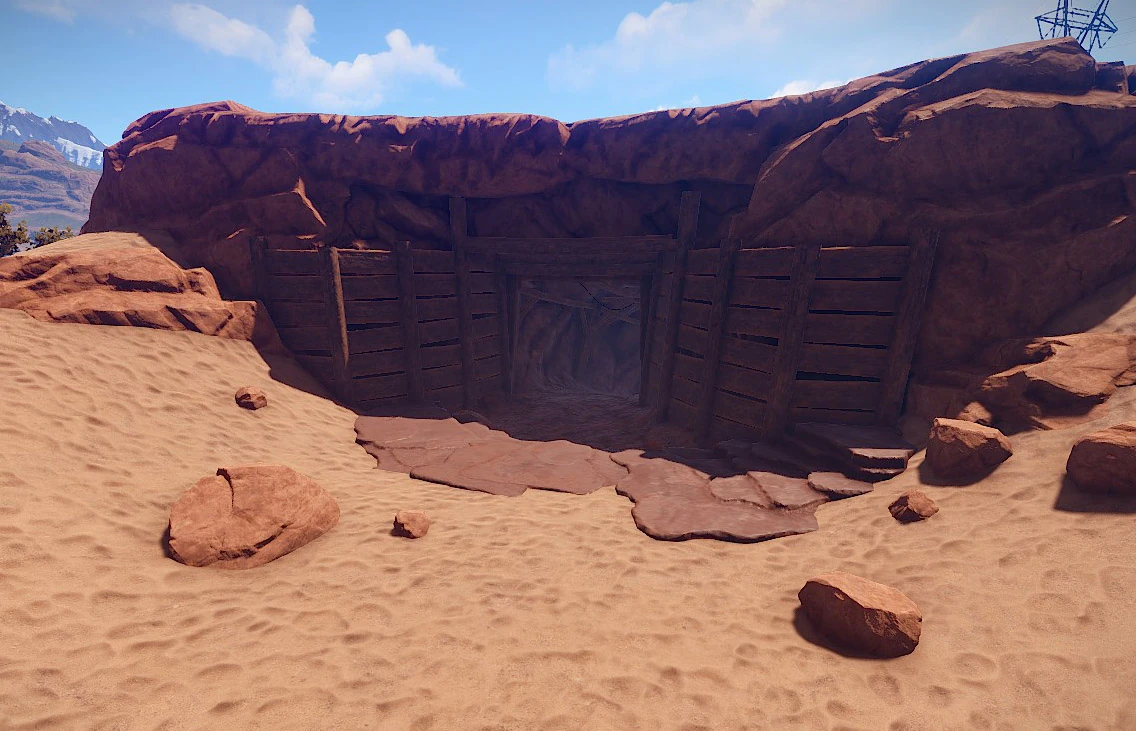
Cave Base
Cave bases can be very strong because they have fewer raid angles. Some caves force raiders through a tight path. This can make traps and doors very effective.
But caves have downsides. They can be far from monuments. They can also be camped. Some cave spots are well known, so skilled players may check them early.
- Best for: Players who want hidden or hard-to-raid bases.
- Strength: Strong natural defense.
- Weakness: Awkward travel and possible camping.
If you build in a cave, place bags outside too. You need a way back in if enemies hold the entrance.
What to Look For
Before you choose a base design, think about your server and your playtime. A base that works on a low-pop server may fail fast on a high-pop weekly wipe.
Check these things before you build:
- Upkeep cost: Can you farm enough each day to keep it alive?
- Raid cost: Does the base force raiders through walls, doors, and traps?
- Build speed: Can you build it before neighbors find you?
- Expansion plan: Can the starter grow into the final base?
- Door flow: Can you move fast without opening your core to enemies?
- Online defense: Can you shoot back from roof, peaks, or windows?
- Loot spread: Is your best loot split between rooms?
Location matters too. A strong base in a bad spot can still fail. Building too close to a huge clan, a busy monument, or a common travel path can bring raids fast.
For safer starts, build near resources but not right on top of the hottest areas. You want roads, trees, nodes, and recycler access nearby. But you do not want every geared team running past your front door.
Simple Upgrade Path
If you are not sure what to build first, use this simple path. It works for many solo, duo, and trio players.
- Place a starter: Build a 1x1 or 2x1 with an airlock.
- Upgrade to stone: Wood bases are easy to burn or break.
- Add sheet metal doors: Replace wood doors as soon as possible.
- Secure the TC: Keep your tool cupboard behind strong doors or walls.
- Add honeycomb: Protect the core with extra walls.
- Add garage doors: Use them when you find and research them.
- Build a second floor: Add space, roof access, and more defense.
- Spread loot: Do not store everything in one room.
- Add traps: Shotgun traps can punish door campers and deep raiders.
- Finish with roof and compound: Only do this if you can afford upkeep.
This path keeps your base useful at every stage. You are not waiting for a perfect build before you are safe.
Tips for Players
- Build small first: Get a safe starter down before you farm too much. A full inventory means nothing if you die with no base.
- Upgrade in the right order: Stone walls and sheet metal doors should come before fancy roof parts. Your core matters most.
- Use more than one loot room: Spread your best items across different rooms. This makes raids less painful if one section gets opened.
- Add bags outside: Place sleeping bags near your base, but not right next to the door. They help you recover from door campers and raids.
- Think like a raider: Walk around your base and ask, “What is the cheapest way in?” Fix that path first.
- Practice on build servers: Test bunkers, peaks, and roof designs before wipe. This saves time when the server is packed.
Common Mistakes
- Using wood for too long: Wood bases and wood doors are weak. Upgrade to stone and sheet metal as fast as you can.
- Forgetting an airlock: A single door is risky. If someone kills you while it is open, they can go deep. Always build an airlock.
- Making the base too big: Huge bases need huge upkeep. If you cannot farm enough, your base will decay.
- Putting all loot in one room: One lucky raid path can wipe your whole wipe. Split guns, sulfur, comps, and tools.
- Leaving soft sides exposed: Check wall direction while building. Soft-side stone walls are much easier to break from the inside.
- No plan for online raids: If you cannot reach roof, seal doors, or flank, you will struggle to defend when raiders show up.
FAQ
What is the best Rust base design for solo players?
A honeycombed 2x1 or small bunker base is best for most solo players. It is cheap, fast, and easy to upgrade. New players should start with a normal 2x1 before trying bunker builds.
Is a 2x2 base better than a 2x1?
A 2x2 gives more space, so it is better for duos and trios. A 2x1 is better for a fast solo start. The best choice depends on how many players you have and how much upkeep you can handle.
Should I build near monuments?
Building near monuments helps with loot and recycling, but it also brings more danger. If you are new or solo, build a little away from the busiest spots. You can still run monuments without living right next to them.
Are bunker bases worth it?
Yes, bunker bases can be very strong. But they are only worth it if you know how to build and seal them. Practice first so you do not trap yourself or leave a weak point.
When should I add a compound?
Add a compound when your core base is already strong and you can afford the upkeep. A compound helps with furnaces, vehicles, and defense, but it should not be your first priority.
Final Thoughts
The best Rust base is the one you can build fast, upgrade often, and defend under pressure. Start with a simple design, protect your tool cupboard, add layers, and keep your loot spread out. If you want a different wipe style, you can also use ServerTilt to find Rust servers with active communities, solo limits, modded rates, or lower pop starts.
Best Rust Base Designs Series
Explore the main guide and supporting tutorials.
Best Rust Base Designs
Learn the best Rust base designs for solos, duos, trios, and groups. See what to build first, how to upgrade, and how to avoid easy raid paths.
How to Build an Airlock in Rust
Learn how to build a simple Rust airlock that protects your starter base from door campers. See the best layout, door choices, and common mistakes to avoid.
Rust Honeycomb Base Guide
Learn how honeycomb works in Rust and where to place it first. Protect your core, TC, loot, and roof without wasting upkeep.
Related Articles
Rust Honeycomb Base Guide
Learn how honeycomb works in Rust and where to place it first. Protect your core, TC, loot, and roof without wasting upkeep.
How to Build an Airlock in Rust
Learn how to build a simple Rust airlock that protects your starter base from door campers. See the best layout, door choices, and common mistakes to avoid.
Recommended Rust Servers
Browse Rust Servers


![[NA] WRECKAGE 3X | Custom Skinbox & Plugins | Raidable Bases | Weekly | No BP Wipes server logo](/uploads/servers/_card-thumbnails/card-96-efc92b55053529a0fdf4f29d3f50a04c4f723760d5555e2f0c567d0ebfcece28.webp)
[NA] WRECKAGE 3X | Custom Skinbox & Plugins | Raidable Bases | Weekly | No BP Wipes [NA] WRECKAGE 3X | Custom Skinbox & Plugins | Raidable Bases | Weekly | No BP Wipes
![[NA] WRECKAGE 3X | Custom Skinbox & Plugins | Raidable Bases | Weekly | No BP Wipes server banner](/uploads/servers/na-wreckage-3x-custom-skinbox-plugins-raidable-bases-weekly-no-bp-wipes/dsffedwreckage-listing-468x60.webp)
2/150
Online




